Transhumanism
Presentation
Transhumanism is the belief that humanity can and should use science and technology to improve physical, cognitive, and emotional capacities. It has been shaped by thinkers like Julian Huxley in 1957 and futurists such as Ray Kurzweil and Nick Bostrom.
At its core, transhumanism envisions a future where humans merge with machines, extend life, and augment abilities far beyond natural limits.
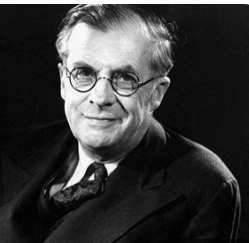
Sir Julian Huxley (born June 22, 1887, London—died Feb. 14, 1975, London) was an English biologist,
Current Research Fields
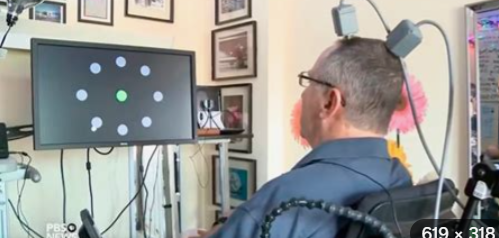
- Neural Implants & Brain-Computer Interfaces
Researchers are developing implants that allow direct communication between the brain and computers, enabling control of devices through thought and potentially restoring lost functions.
- Exoskeletons
Robotic exoskeletons are being designed to assist people with mobility impairments, such as paraplegics, by enabling walking and reducing physical strain. They are also explored for industrial and military use, enhancing strength and endurance.


- Optical Implants for Vision Restoration
Advances in biomedical engineering are creating retinal implants and bionic eyes that can restore partial vision to the visually impaired. These devices use microelectrodes to stimulate retinal cells or directly interface with the optic nerve.
Example: The Argus II retinal prosthesis has allowed patients with retinitis pigmentosa to perceive shapes and movement.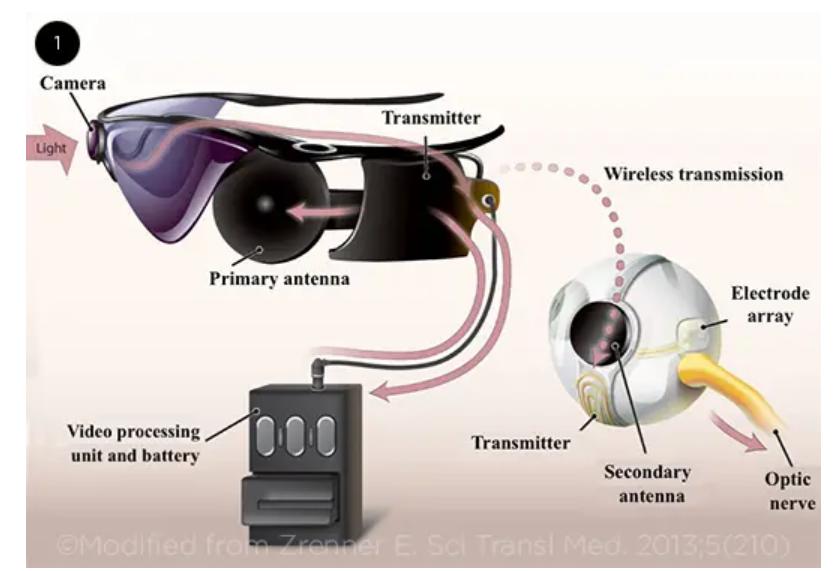
- Sports Performance Enhancement
Transhumanist research includes bio-enhanced athletes, AI-driven coaching, and wearable technologies that optimize training. Some forecasts even predict athletes with neural or biomechanical enhancements entering professional competitions by 2030.
Example: coaching platforms already analyze performance data to maximize efficiency, while experimental neuro-enhancements could redefine competitive sports.

- Life Extension & Anti-Aging
Gene therapies, regenerative medicine, and nanotechnology are being explored to slow aging and extend human life.
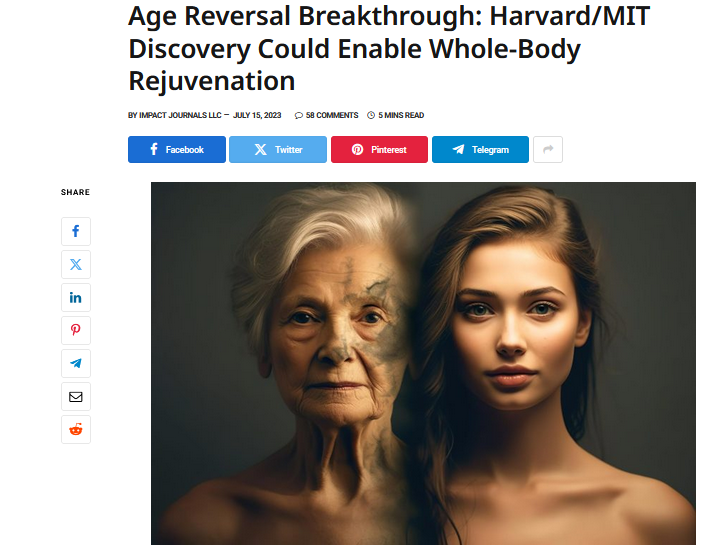
- Scientists at Harvard Medical School, MIT, and the University of Maine discovered a chemical method to reprogram cells into a more youthful state. This approach offers an alternative to gene therapy, potentially enabling whole-body rejuvenation without the risks of turning cells cancerous. The technique builds on Nobel Prize–winning research into Yamanaka factors, which can reset adult cells to pluripotent stem cells.
Applications include regenerative medicine, treatment of age-related diseases, and systemic age reversal.
- Current trials are exploring eight major pathways linked to aging, including:
- mTOR inhibition (rapamycin-like drugs).
- NAD+ boosters (nicotinamide riboside, NMN).
- Senolytics (drugs that selectively clear senescent cells).
- Metabolic modulators (targeting insulin signaling and mitochondrial function).
These trials aim to slow aging, extend healthspan, and reduce age-related disease risk.
Ethical and Social Implications
Transhumanism is not only about technology but also about ethical, social, and political challenges
- Fairness in Sports: Should enhanced athletes compete with non-enhanced ones?
- Access and Inequality: Will only the wealthy benefit from enhancements?
- Human Identity: At what point do enhanced humans cease to be “human”?
- Safety: Long-term effects of cellular reprogramming and stem cell therapies remain uncertain.
- Accessibility: Advanced therapies may initially be costly, raising concerns about inequality.
- Identity & Longevity: Extending life raises philosophical questions about society, resources, and human meaning.
Conclusion
Transhumanism is both a technological revolution and a philosophical debate.
From exoskeletons that restore mobility, to optical implants that bring back vision, to performance enhancements that push athletes beyond natural limits, it represents humanity’s bold attempt to transcend biology. The challenge lies not only in advancing science but also in ensuring that these innovations serve humanity ethically and inclusively.
Created with the Personal Edition of HelpNDoc: Easy EBook and documentation generator